Understanding the role of chance in gambling
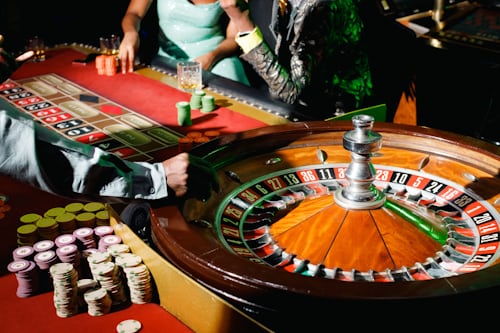
Chance plays a pivotal role in the world of gambling, influencing the outcomes of various games and activities. At its core, gambling relies on uncertainty and unpredictability, which is what makes it both thrilling and risky. Players engage in games where the results are determined by random events, whether it’s a roll of the dice, a spin of the slot machine, or the dealing of cards. Additionally, those looking for fun options might find interest in casinos not on gamstop, ensuring an experience free from restrictions. This inherent randomness ensures that every game is unique, offering players the allure of potential wins and losses.
The essence of chance can be understood through probability theory, which quantifies the likelihood of different outcomes occurring. For gamblers, recognizing these probabilities is crucial. It allows them to make informed decisions based on their understanding of the game mechanics and potential risks involved. While chance governs the outcome, skill and strategy can sometimes play a role, particularly in games like poker, where players can influence results through their decisions.
The role of chance extends beyond mere statistics; it deeply affects the psychology of gamblers. The thrill of uncertainty can lead to excitement and heightened emotions, driving players to engage more deeply in their chosen games. This psychological aspect of chance is often what keeps individuals returning to the tables or machines, as they seek the next big win. The anticipation of luck can become addictive, leading some to overlook the risks associated with gambling.
Moreover, the concept of “hot” and “cold” streaks often emerges in the minds of players, influencing their betting behavior. Gamblers may start to believe in patterns or trends, despite the fact that every roll of the dice or shuffle of cards is independent of the last. This cognitive bias can sometimes lead to irrational decisions, amplifying the effects of chance and the potential for loss.
Different forms of gambling exhibit various levels of reliance on chance. Games like roulette and slots are predominantly chance-based, with outcomes determined purely by random number generators or mechanical processes. These games tend to attract players who enjoy the thrill of risk without the burden of extensive strategy. 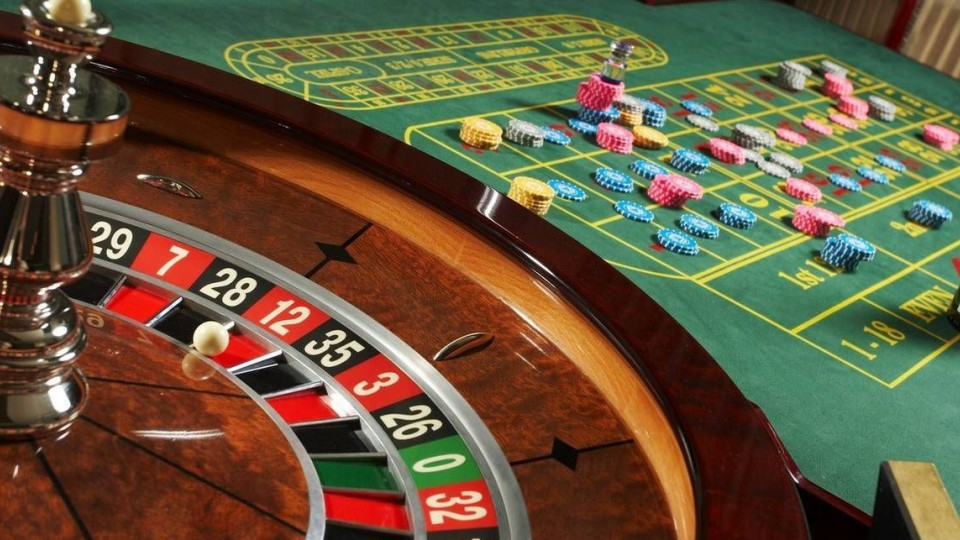
In contrast, games like blackjack and poker incorporate elements of skill alongside chance. Players must make strategic decisions based on their cards, their opponents, and the overall game dynamics. While chance determines the initial hand dealt or the cards drawn, player decisions heavily influence the final outcome. Understanding this blend of chance and skill is essential for those looking to improve their game or enhance their winning potential.
As online gambling continues to rise in popularity, understanding the role of chance remains crucial. Many players now access their favorite games through digital platforms, where security measures are in place to protect personal information and ensure fair play. Reputable online casinos utilize advanced algorithms and random number generators to maintain the element of chance while ensuring a secure and transparent experience for players.
Navigating the online gambling landscape requires awareness not just of the games themselves, but also of the importance of choosing trustworthy sites. Players should be informed about the security protocols that safeguard their interests, as well as the responsible gambling practices that mitigate the potential negative effects of chance. By prioritizing security and player education, online gambling can be an enjoyable and safe pastime for many.